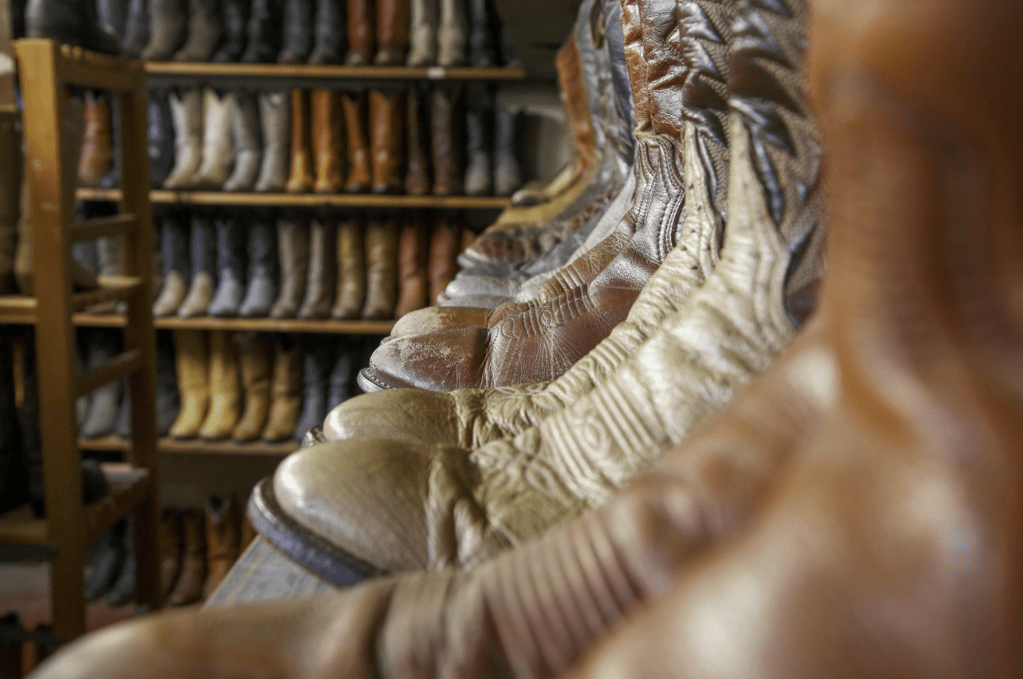
It has become the debate of the century – which leather is more ethical?
With growing concerns for climate change and the environment, the big question can come down to one’s morals.
With Christmas and ‘Veganuary’ right around the corner, it is about time we start making more sustainable and fashion-forward choices.
As the years fly by, so does our chance to try to salvage the planet. We need to make more sustainable choices every day to try help deescalate the issue, and what products we buy can impact these choices.
What is real leather and fake leather?
Real leather is the treatment and use of animal skin for clothing, shoes, accessories, equipment and much more. Natural leather has a reputation for being versatile, comfortable and long-lasting.
Leather making is an ancient practice, with evidence of tools to make natural leather products dating back 400,000 years ago. As humankind has always been curious about innovation, it is no surprise that they discovered how to use all parts of an animal after killing for the meat.
Leather skin is usually the byproduct of meat production, meaning that less parts of the animal will end up in a landfill. The skin needs to be tanned and chemically treated to prevent decay, and then crafted to whatever product is to be made.
Fake (or faux) leather is a synthetic alternative for the likes of clothing and accessories usually made from cow’s skin.
So why are we suddenly trying to find a replacement for this ancient practice?
It first started with a growing demand for leather products in the 1970s and 80s. The big boom of the durable and reliable material became fashionable – and fast. The fast fashion industry started spitting out cheap ‘leather’ products to consumers everywhere across the globe for quick money.
Also, with the rise of veganism and animal advocacy meant that a lot of people found the idea of wearing an animal’s skin uncomfortable, meaning that vegan leather was the way to go.
Vegan leather is made from oil, a finite fossil fuel. A popular product made with oil is polyester, which is a common base material for fake leather.
The polyester is then covered with wax, dye or polyvinyl chloride (PVC).
The coating of the polyester can give the product the skin-like texture to imitate that of an animal.
The benefits of real vs fake leather
Real leather is known for its durability and versatile look. Investing in decent quality leather will last a person a lifetime, meaning that a single purchase is all that is needed.
Leather is a raw material that can be repaired, refurbished, repurposed and recycled very easily; with lots of specialists to do all these things at a reasonable cost.
As a byproduct of the food industry, leather products being made reduces the materials being sent to a landfill because of meat companies. Being a byproduct also means that no additional land or resources are needed to source the materials.
As a raw material, leather can biodegrade in a typical landfill in 10-15 years; meaning that all the materials are going straight back into the earth.
The chemicals used during the production have strict legal requirements to help reduce damage to the environment and the people using them.
To state the obvious, one of the biggest benefits of fake leather is that it does not come from an animal.
Polyester, a common material for polyurethane (PU) leather, is durable and non-toxic to humans. Polyester is also known as a durable material when blended with other fabrics in production.
Another benefit is to do with the price point. As these manufactured materials done need the labour of farming animals or the specialty knowledge of using animal skin, fake leather takes a lot less time and money to make. Fake leather is available at a reasonable price in practically every clothing store you walk into, which shows how easy it is to mass produce.
Cons of real and fake leather
Although there are strict legal requirements on the chemicals used in the production of leather, the tanning process is highly destructive to the environment and human health. Chromium waste is a huge problem which has resulted from leather tanning.
With an increase in demand for leather, comes an increase in demand for livestock. In 2022 the Food and Agriculture Organisation (FAO) of the United States found that livestock contributed to 11.1% of the global greenhouse gas emissions.
With 1.1% of the world’s population being vegan and 22% being vegetarian in 2023, the demand for meat is decreasing. If the demand for leather keeps rising, a lot of meat will go to waste in a landfill.
For fake leather, any form of plastic used to make vegan leather cannot be recycled in any way.
By advertising a vegan and ‘green’ alternative to an animal product, the marketing of fake leather has contributed hugely to ‘greenwashing’ in the fashion industry.
Polyvinyl chloride, a popular coating for fake leather, takes +500 years to biodegrade in a landfill. The polyester base of the product can also take 200 years to decompose.
Polyester requires 70 million barrels of oil every year to make, and the dyes and chemicals used during production are released into water; causing adverse reactions to human health and aquatic life.
Polyester contributes to 31% of the plastic pollution found in the ocean due to the microfibers shed.
As the coating used is synthetic and not as durable as authentic leather, non-recyclable materials will end up in landfills.
Co2 emissions
So, what is a CO2 emission? Even with all this talk about it, does anybody actually know what it is?
Carbon dioxide emissions are produced from the burning of fossil fuels. The burning of carbon adds to the greenhouse effect, which results in the planets temperature rising overtime.
To put some numbers into perspective, a typical car produces 4.6 metric tonnes of carbon dioxide a year. This number will obviously differ depending on fuel used and miles driven, but that’s a lot of carbon for one car.
According to research taken out by the United States government and CFC Sri Lanka, leather produces 17.0kg of CO2 per square meter.
CFC Sri Lanka also concluded that artificial leather produces 15.8kg of CO2 per square meter during production.
Sustainable choices
As purchasing real or fake leather boils down to morals, it’s always good to try purchase these products from sustainable brands.
For animal leather, its best to support smaller family run businesses. A lot of these places might even make their products in-store and by hand! They might also source their leather locally, which reduces gas emissions from aircraft and such.
For fake leather, a website called ‘Good on You’ does regular reviews on brands and their practices. They do in-depth research on the sourcing of materials, the animal products used, the environmental impact and the labour workforce of the companies. They also handpick recommendations for their favourite sustainable brands.
So, before you make your Christmas wish list this year; consider the planet and how you want to help save it.


Leave a comment